Climate security depends on a just transition
25 September
Ed Miliband’s call to treat climate and nature loss as a national security issue is welcome. But for that security to reach everyone, the transition has to protect the workers and communities it will affect.
On 21 September, the UK Foreign Secretary used his opening address at New York Climate Week to argue that climate and nature loss are urgent national security issues. He said climate breakdown should be a priority for foreign ministers, prime ministers and the security community, as well as energy and climate ministers.
It was a confident, hopeful speech. He pointed to $2.2 trillion expected to go into clean energy this year, against $1.2 trillion in fossil fuels. He also noted that the world has moved from heading towards four degrees of warming to around two and a half. That is still a dangerous path, but it shows that collective action works.
At Inherently Human, we welcome this shift in thinking. Putting climate and nature at the centre of national security planning brings them into the places where the big decisions on budgets, diplomacy and risk are made. The Foreign Secretary’s focus on early warning, resilient health and food systems, and acting before crises hit would help protect people’s rights to life, health and food, particularly in the most vulnerable regions.
However, we would like to see the same attention given to the people whose lives the transition will reshape.
The people building the transition
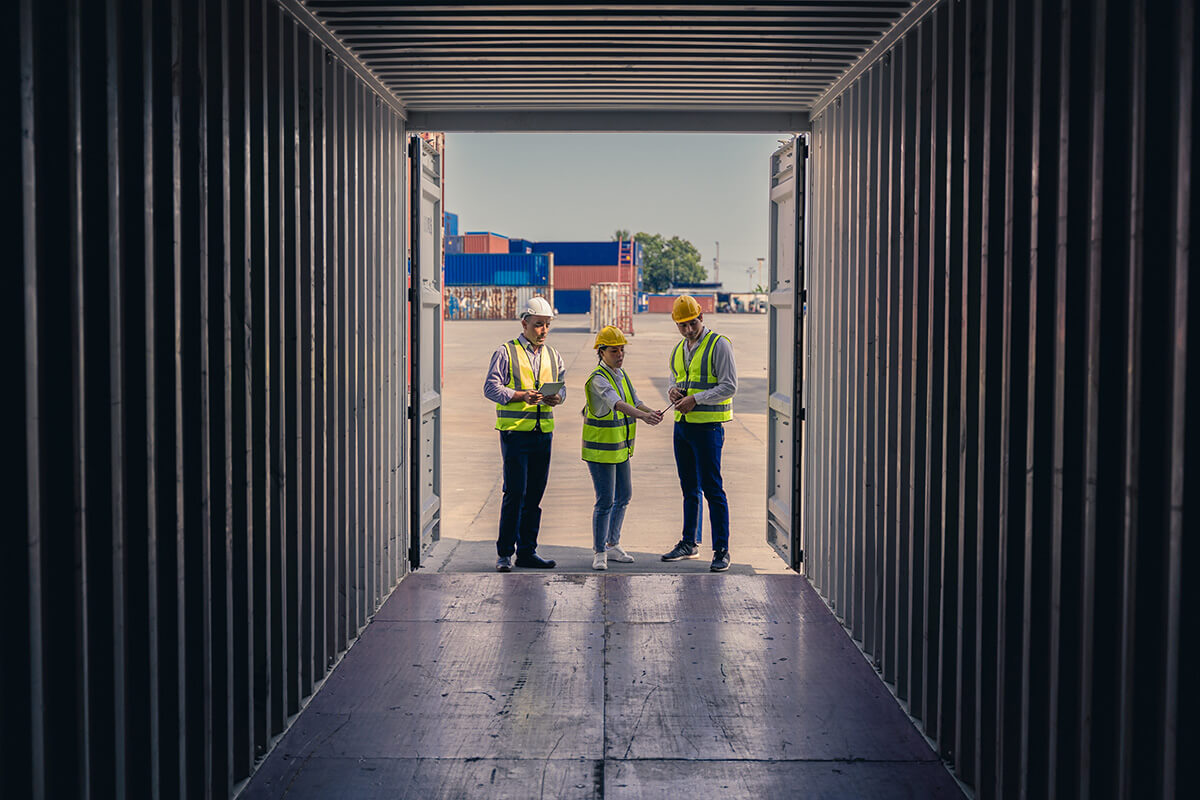
The Foreign Secretary spoke of the “good jobs at good wages” that clean energy can create. Those jobs exist, and many more will follow. But the transition also relies on long and complex global supply chains. Solar panels, batteries, wind turbines and electric vehicles depend on minerals such as cobalt, lithium, nickel and copper, as well as on processing, manufacturing and installation work across many countries.
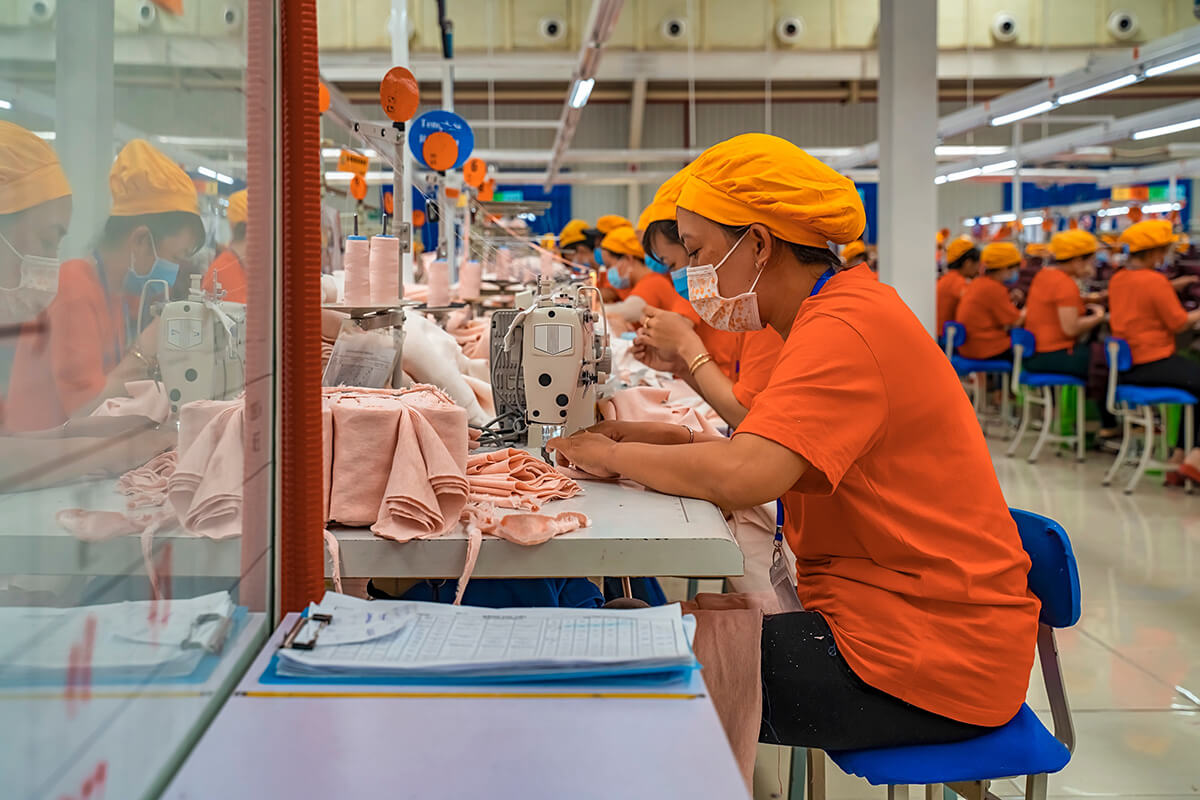
At every stage of these supply chains there are well-documented risks to workers, including forced labour, unsafe working conditions, poverty wages and restrictions on the right to join a trade union. If those risks go unaddressed, the clean energy economy could reproduce the same harms that have long affected other global industries.
The communities whose livelihoods will change
The transition will affect people well beyond the clean energy sector. As businesses change what they source and where they source it, whole communities can lose the income they depend on.
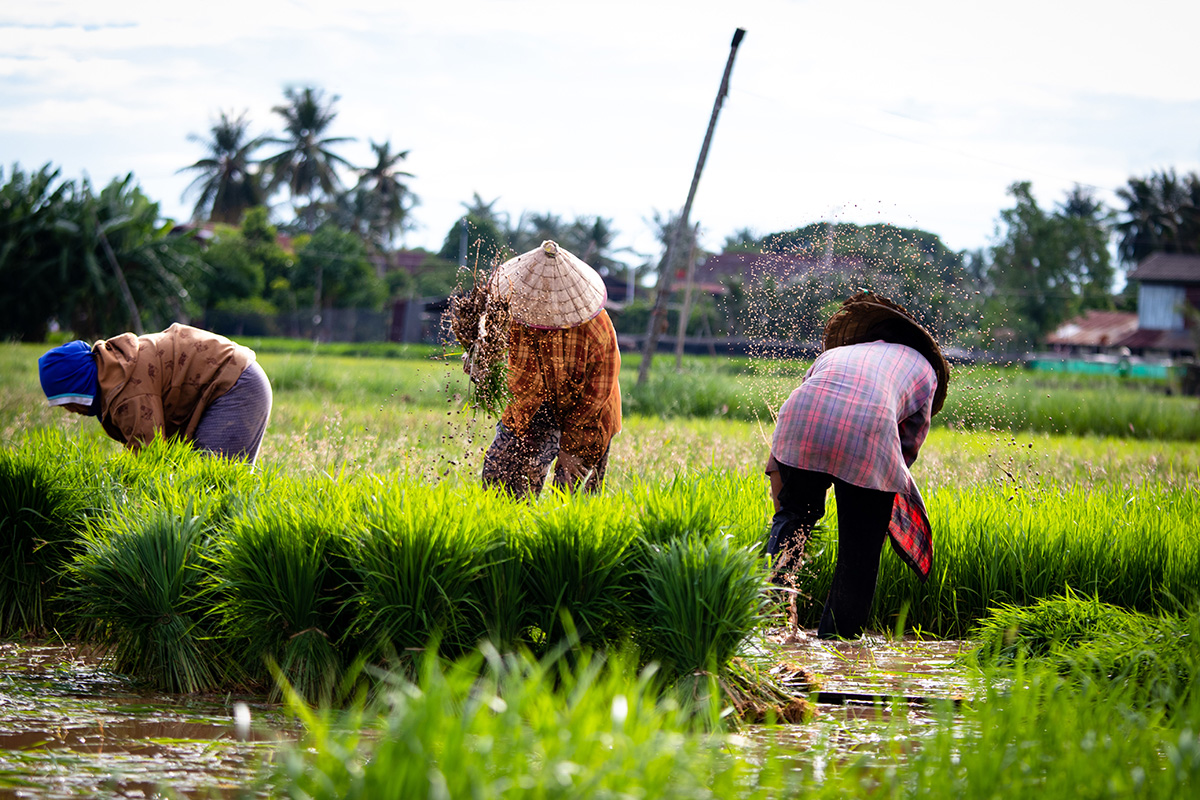
Coal mining regions have already experienced this. The same pressures now reach further. When a buyer decides that a crop, material or supplier no longer meets its sustainability commitments, the effects are felt by farmers, smallholders, workers and local communities whose economies may be built around that single product. Growers who can’t afford to meet new requirements, or can’t prove that they do, risk being dropped from supply chains entirely.
These decisions are often made for sound environmental reasons. However, a sourcing change that cuts off a community’s livelihood without warning or support causes real harm. International standards recognise this. The UN Guiding Principles on Business and Human Rights and the OECD Guidelines for Multinational Enterprises both expect businesses to consider the human rights impacts of ending a business relationship and to disengage responsibly.
Putting people at the heart of climate security
The speech framed climate security mainly in terms of keeping national populations safe. A human rights approach widens that focus to include everyone affected, wherever they live. A just transition brings this approach to climate action, making sure it respects the rights of workers and communities along the way. It needs:
- Human rights due diligence across clean energy supply chains, from mine to market
- Meaningful engagement with workers and their representatives, including respect for freedom of association
- Responsible sourcing decisions that assess the impact on communities before a business changes suppliers or exits a market
- Support for workers and communities to adapt, through investment, retraining and social protection
- Proper consultation with affected communities, and respect for Indigenous peoples’ free, prior and informed consent
What businesses can do now
Governments set the direction, but businesses make many of the decisions that determine who benefits from the transition and who bears its costs. Human rights due diligence gives them a practical way to manage this.
It helps companies identify where people in their value chains are most at risk, including people who could be affected by the business’s own climate and sustainability decisions. It helps them prioritise action, work with suppliers to prevent and address harm, plan any change of sourcing or market exit responsibly, and track whether their efforts are making a difference.
For businesses investing in or buying from the clean energy sector, or reviewing their sourcing to meet climate targets, this work needs to start before decisions are made.
A shared opportunity
With COP31 approaching and the UK’s G20 presidency next year, governments have a clear opportunity to work together on a transition that puts people first. The Foreign Secretary has made a strong case for why a multilateral approach toclimate action is essential to our security. The next step is to make sure that security reaches the workers and communities on whom the transition depends.
A transition that ignores the human cost of progress, or that leaves communities behind, won’t make anyone more secure. A just transition will – and governments and businesses must deliver it together.