Stakeholder engagement
Effective human rights due diligence depends on hearing from the people it impacts. That means building the channels, relationships and processes that make meaningful engagement possible – and making sure that when harm occurs, there is a credible way to raise concerns and a genuine commitment to put it right.
Knowing who your stakeholders are is only the start. The harder work is bringing the right people in at the right time and making sure their perspectives shape your approach as part of an ongoing process.
Stakeholders might include senior leaders and internal teams, procurement colleagues, suppliers, customers, trade unions, and NGOs. Each group has different needs, different roles, and different things to tell you. Meaningful engagement means thinking carefully about who you are talking to, how and why.
A note on rightsholders
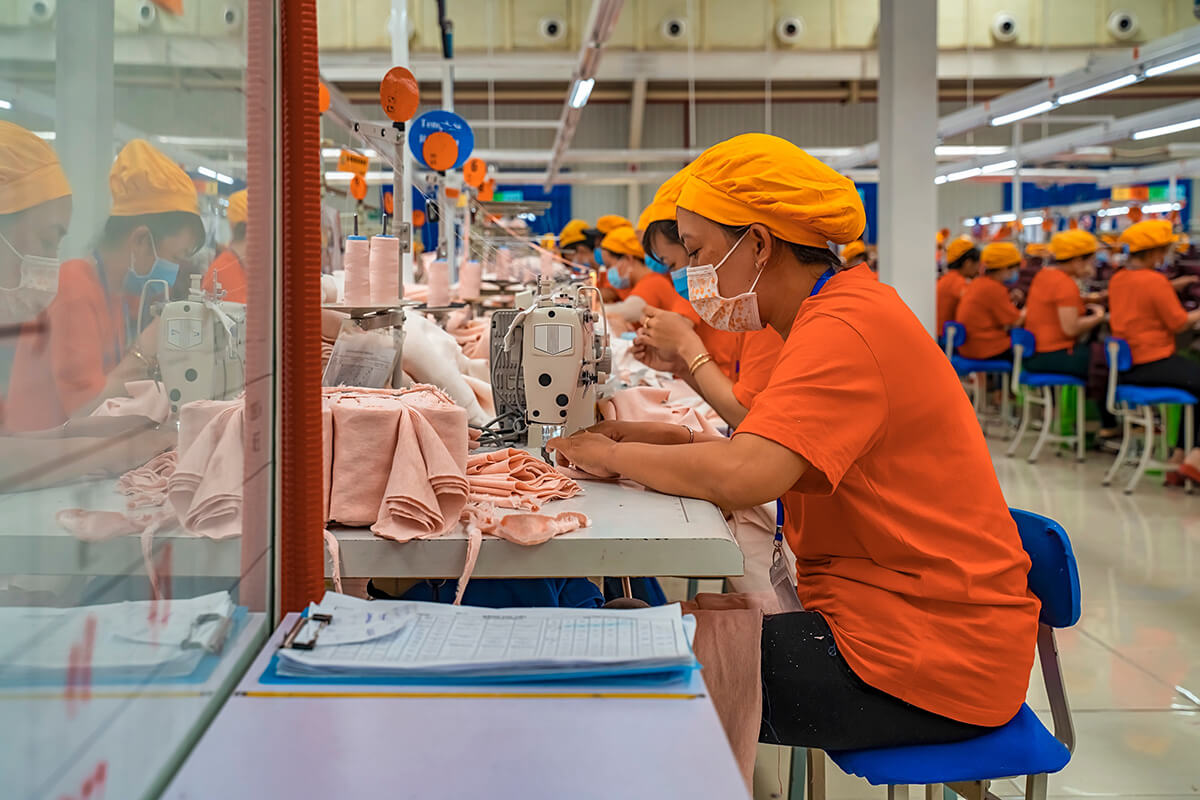
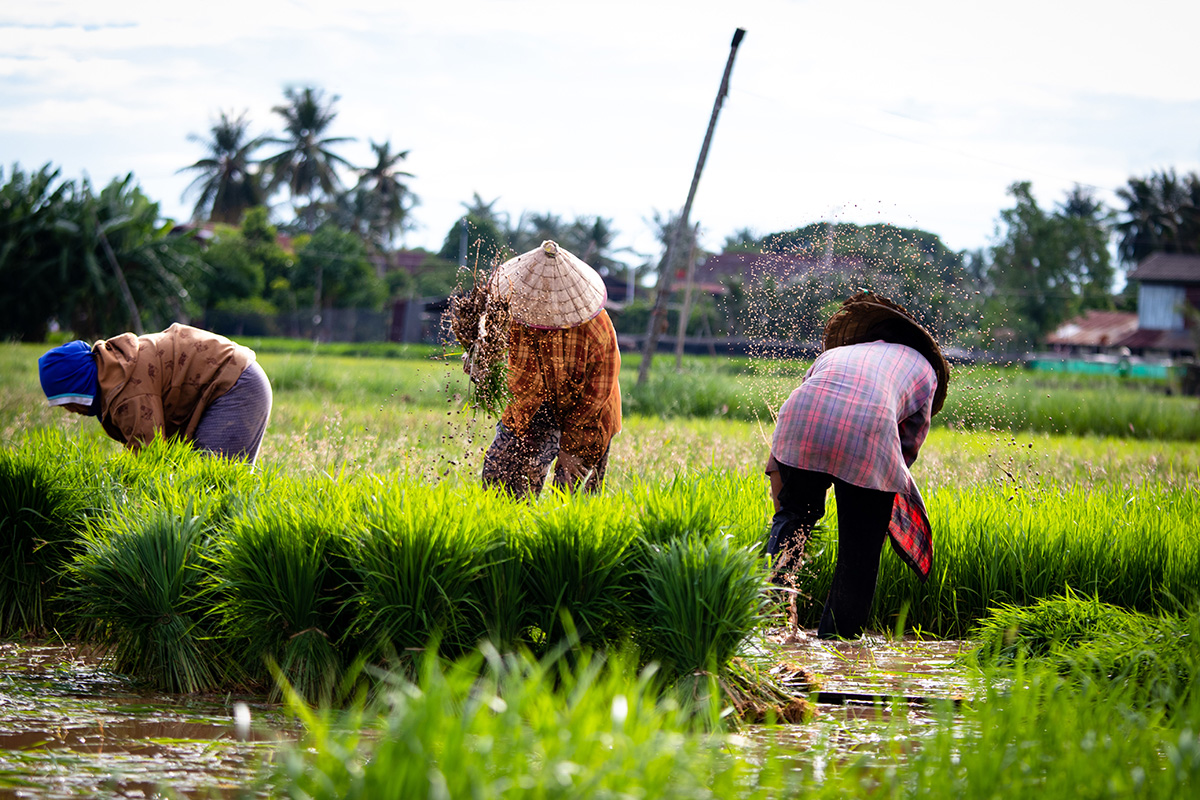
Rightsholders are the workers and community members whose lives are most directly affected by your operations and supply chains. They are arguably your most important stakeholders, and you can find out more about how we can support you with rightsholder engagement here.
How we help
We help clients to develop stakeholder engagement strategies that are appropriate to their context, practical to implement and capable of informing real decisions. That means identifying who your stakeholders are, designing engagement processes that work for each group, and making sure what you hear feeds meaningfully into your decision-making.
What this involves
- Stakeholder mapping and segmentation
- Design of engagement processes appropriate to different stakeholder groups
- Support to analyse and act on stakeholder feedback
- Integration of stakeholder perspectives into risk assessment, action planning and reporting