The conversation (full transcript)
Kerry Stares: Hello, I’m Kerry Stares, a partner at Charles Russell Speechlys. Welcome to the first short video in our supply chain series on how to do risk-based human rights due diligence. I’m joined by Louise Herring, founder of Inherently Human, a UK human rights consultancy.
If you haven’t already watched our earlier videos on why doing risk-based human rights due diligence makes good business sense, you can find those on our website.
Today we’re going to cover two things. First, what is risk-based human rights due diligence? And second, how to start and refine a risk-based human rights due diligence process.
The UN Guiding Principles on Business and Human Rights, or the UN GPs, which have set the benchmark for best practice since 2011, expect companies to do risk-based human rights due diligence. A risk-based approach is also what’s required by the recently amended EU Corporate Sustainability Due Diligence Directive, or the CSDDD. In a world where businesses can impact many people in different ways across complex value chains, a risk-based approach, in essence, means that businesses must prioritise their salient human rights risks.
Louise Herring: Salient human rights risks are the risks that stand out because they could cause the most severe harm to people, either through a company’s own activities or its business partners. To judge severity, we look at scope, scale, and remediability. Scope is how many people could be affected. Scale is how grave the harm would be. Remediability is how hard it would be to put things right. Then we consider likelihood, or probability, of risks occurring. Together, these help you focus on the risks that matter most to people.
That’s an important point to stress. Salience is about risk to people, not risk to the business.
Forced labour and child labour are common salient risks in many supply chains, including sectors like cotton, cocoa, cobalt, and palm oil. Migrant workers in manufacturing can be particularly vulnerable, especially where recruitment fees create debt. These risks can be deep-rooted and hard to tackle, which is precisely why they demand prioritised attention.
Kerry Stares: Some companies still take a more basic and standardised approach to human rights, often limiting their engagement to their direct or tier one suppliers and requiring them all to complete a standard human rights questionnaire or to agree to standard contractual terms relating to human rights risks. This is not a risk-based approach. It can place a heavy and unnecessary administrative burden on low-risk parts of your supply chain and obscure where the risks are highest.
So where do you start with a risk-based human rights due diligence process? You can’t assess risks without basic visibility of where your products and services come from and who’s involved. The best starting point, therefore, is a high-level review of your business operations and value chain to identify those activities, geographies, products, and relationships where risks to people are most salient.
In practice, carrying out this high-level review – or scoping exercise, as it’s referred to in the new CSDDD – means using available information on high-risk sectors, countries, or regions to identify areas of your business and value chain where adverse impacts are most likely. The approach will vary for each company depending on size and resources. Larger companies might commission external organisations to support them. Smaller businesses might do robust work with public sources on country and sector risks, supplemented by what they know about specific sites — for example, wages, health and safety practices, recruitment practices, and channels through which workers can engage.
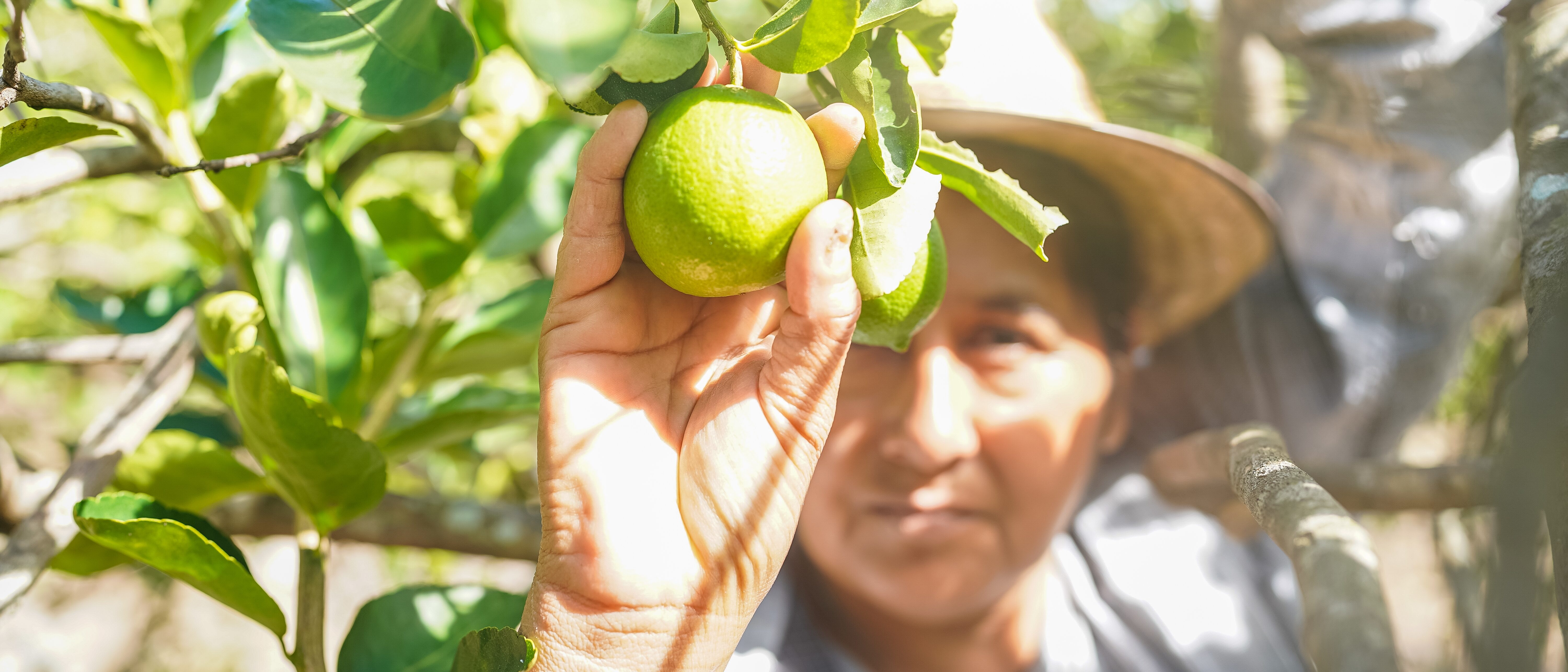
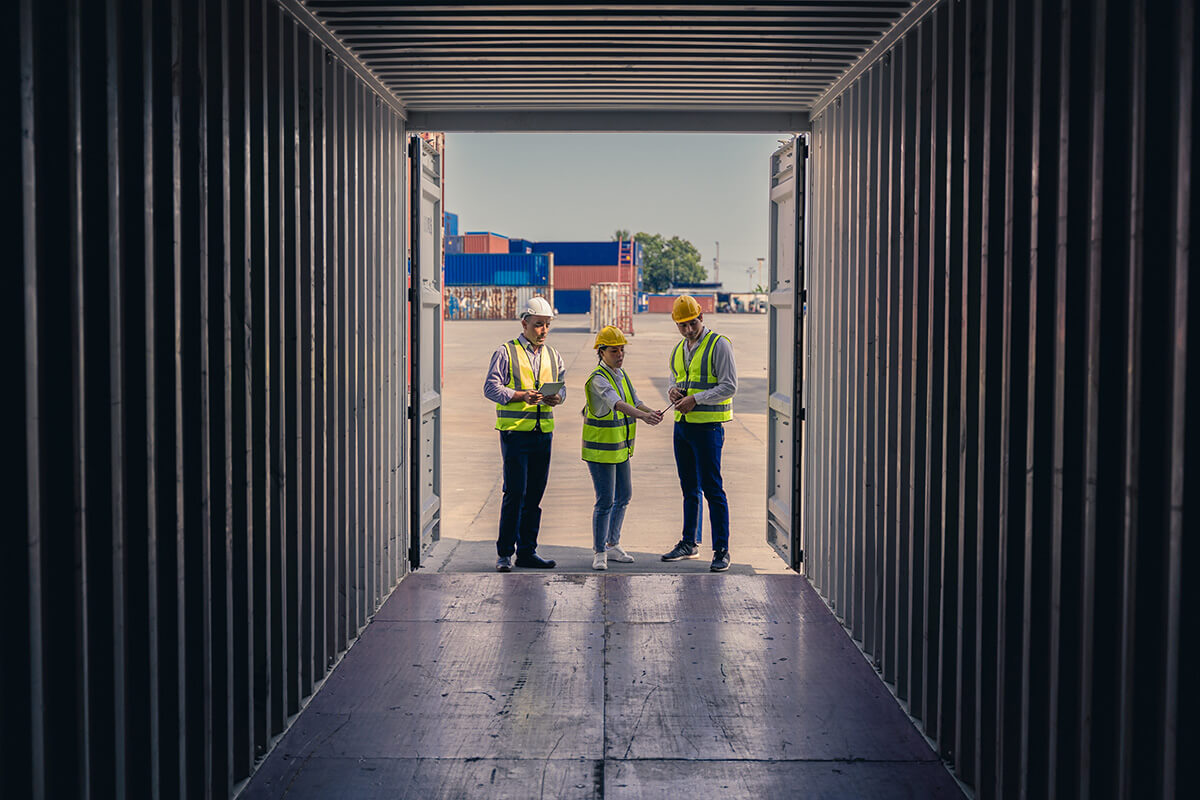
This initial review or scoping exercise can be complex. Some companies have thousands of direct suppliers and many more indirect ones. Certain supply chains – like smallholder farming, artisanal mining, logistics, or warehousing – are often opaque and employ vulnerable workers. Data can be fragmented and quickly outdated. Most companies therefore start by mapping and reviewing their highest-risk supply chains, building visibility tier by tier and iterating as they learn.
Louise Herring: The next step is to do a more in-depth assessment, focusing on the most salient – that is, the most severe and most likely – risks to people. Increasingly, companies use diverse sources of data to do this, including audits, grievance mechanisms and hotlines, as well as talking to trade unions to understand workers’ perspectives. Some also use technology, including AI, to scan for risk signals. Whatever the tools, the aim is the same: build an evidence-based picture of where severe harm to people is most likely, increase transparency, and encourage suppliers to be open about sourcing risks.
For complex supply chains, you will find more than one salient risk. Seafood may require a focus on vessel-based labour risks, for example. Electronics may require deeper raw material scrutiny. Garments may require attention to factory and mill conditions. You won’t fix everything at once, so be explicit about priorities, timelines, and resourcing – and be ready to say “not now” where necessary, while still planning how and when you will come back to those issues.
Kerry Stares: In summary: keep the focus on risks to people. Start where the risk is greatest. Use mapping to build your visibility and keep iterating, because risks evolve. Supply chain mapping and risk assessments should be ongoing and dynamic, and lead to actions that prevent, mitigate, or remediate risks.
Thank you for watching. Please look out for more videos in this series on how to do risk-based human rights due diligence. These videos are designed to give you a taster of what’s involved. For more information and tailored advice, please get in touch.