Responsible procurement practices
How a company buys can be as consequential as what it buys. Procurement decisions – on price, lead times, order volumes, payment terms and supplier relationships – shape the conditions that workers experience further down the supply chain. When those decisions are made under pressure, without visibility of their downstream impacts, the risk of labour rights harm increases significantly.
This is one of the more uncomfortable truths in supply chain due diligence. A business can invest heavily in auditing and supplier engagement while its own purchasing practices are simultaneously contributing to the conditions that make harm more likely. Unrealistic deadlines push factories into excessive overtime. Price pressure squeezes the margin that would otherwise cover fair wages. Last-minute order changes leave suppliers absorbing costs they pass on to workers.
Responsible procurement involves bringing the people and processes that drive those decisions into the human rights conversation – not just the Sustainability or Ethical Trade teams, but procurement leads, commercial directors and category managers. It means building the link between buying decisions and human rights outcomes into the way commercial relationships are structured, negotiated and managed.
How we help
We work with businesses to assess where their procurement practices create human rights risk and to develop practical approaches to address it. Most often this requires targeted shifts in process, better cross-functional alignment and clearer accountability for responsible buying decisions.
What this involves
- Procurement practice risk assessment
- Responsible purchasing policy development and review
- Supplier code of conduct design and integration into contracts
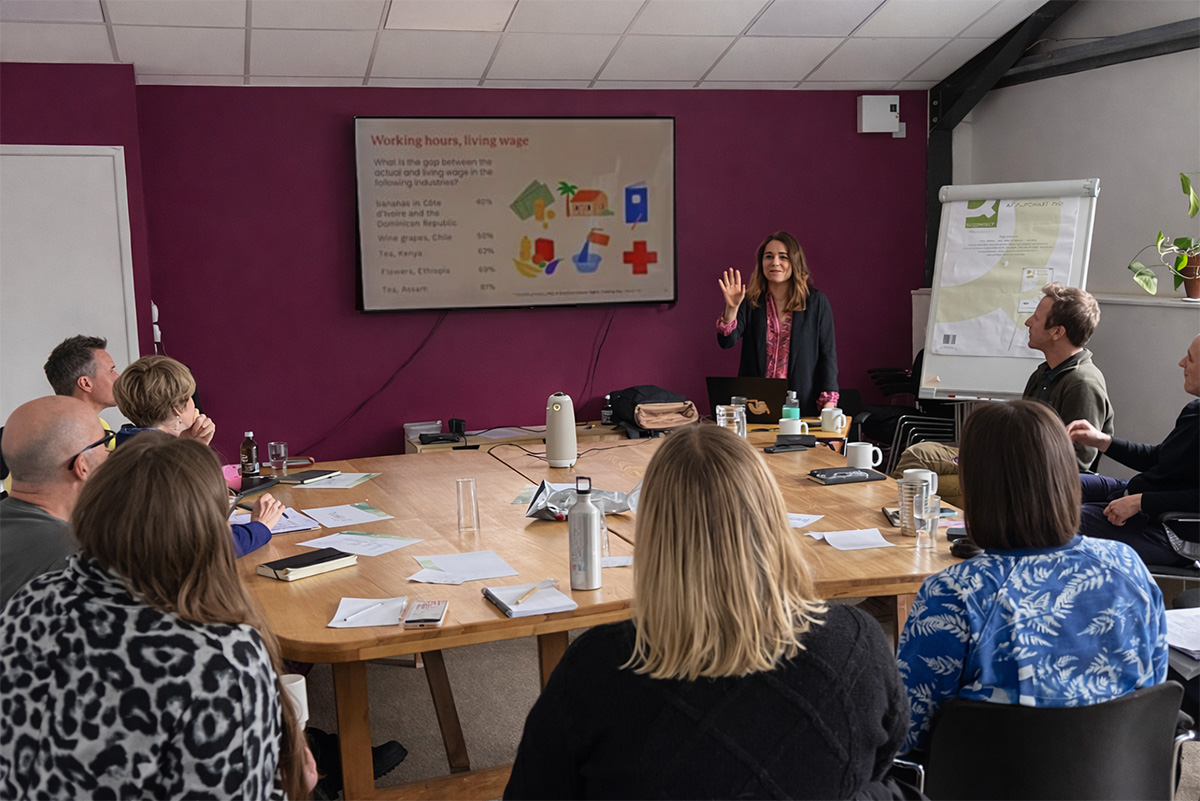
- Cross-functional engagement with procurement and commercial teams
- Buyer training and capability building
- Supplier relationship management frameworks
- Integration of responsible procurement into broader human rights due diligence programmes